

solutions@disolutions.net

+91-9904566590



Generative AI and LLM solutions enable businesses to automate workflows, extract smarter insights, and deliver personalized experiences, improving speed, efficiency, and ROI without replacing human intelligence.
Generative AI is defined as an artificial intelligence system that is capable of generating new content, instead of merely analyzing it. This involves text, images, code, audio, and even videos. Generative AI is trained on high volumes of data to generate context-aware outputs.
LLM models are generative AI systems designed to understand and produce human language. They are trained on massive text datasets and can summarize, translate, answer questions, and hold conversations.
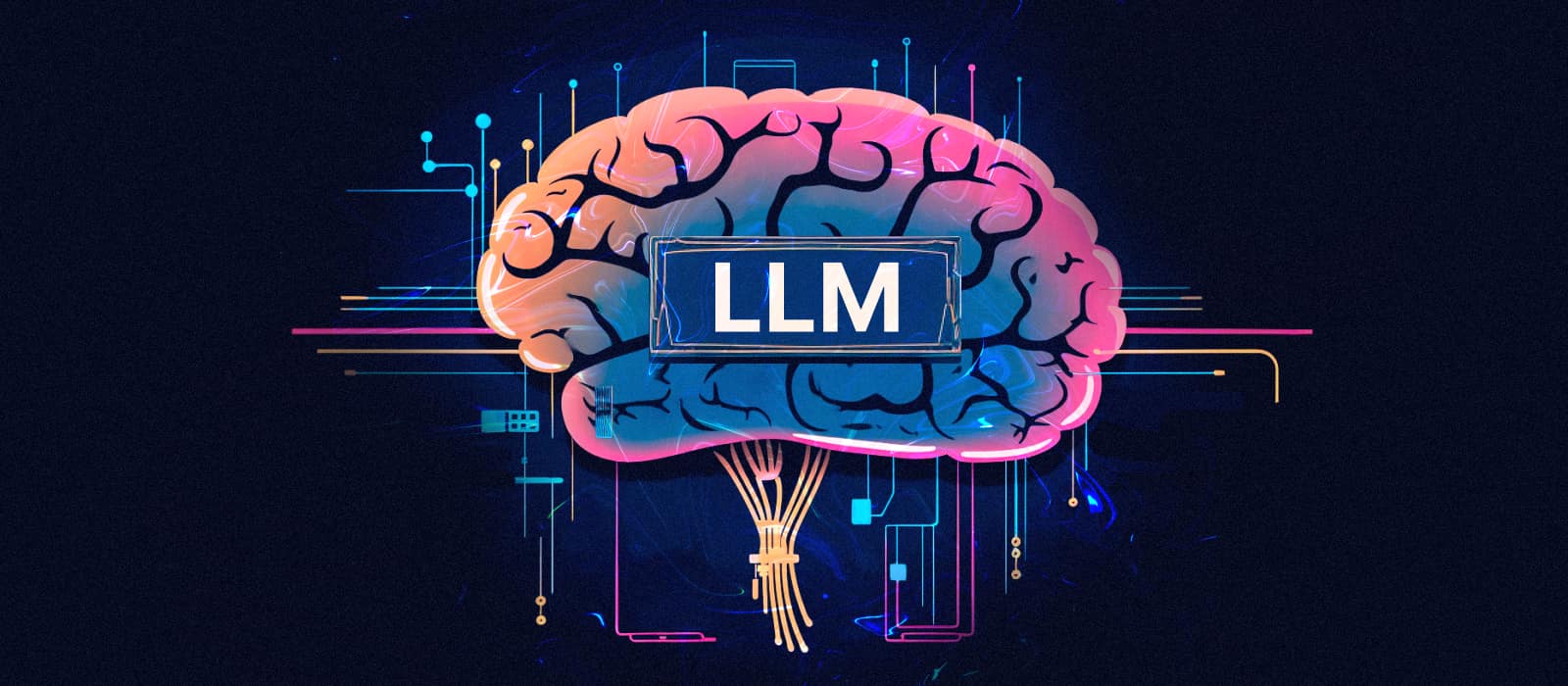
The model is trained using vast amounts of data, including text, images, and other forms of data. It acquires patterns, relationships, and structures in the data during training.
The majority of the LLM models are based on a transformer, which enables them to learn about relationships among words and sentences, even in large documents
Deep neural networks accept the input data and make the most probable predictions by using the probability.
Prompts or queries are given by the user, and the model is able to produce responses according to the learned patterns and context.
LLMs use context, grammar, tone, and meaning to come up with coherent and relevant answers.
Models enable more accurate, relevant, and business goal-oriented models with feedback loops and retraining.
Create quality blogs, social content, product information, emails, and marketing texts on a large scale. Deliver content to users in a manner that is personalized. Less manual work amongst creative teams and faster content publishing.
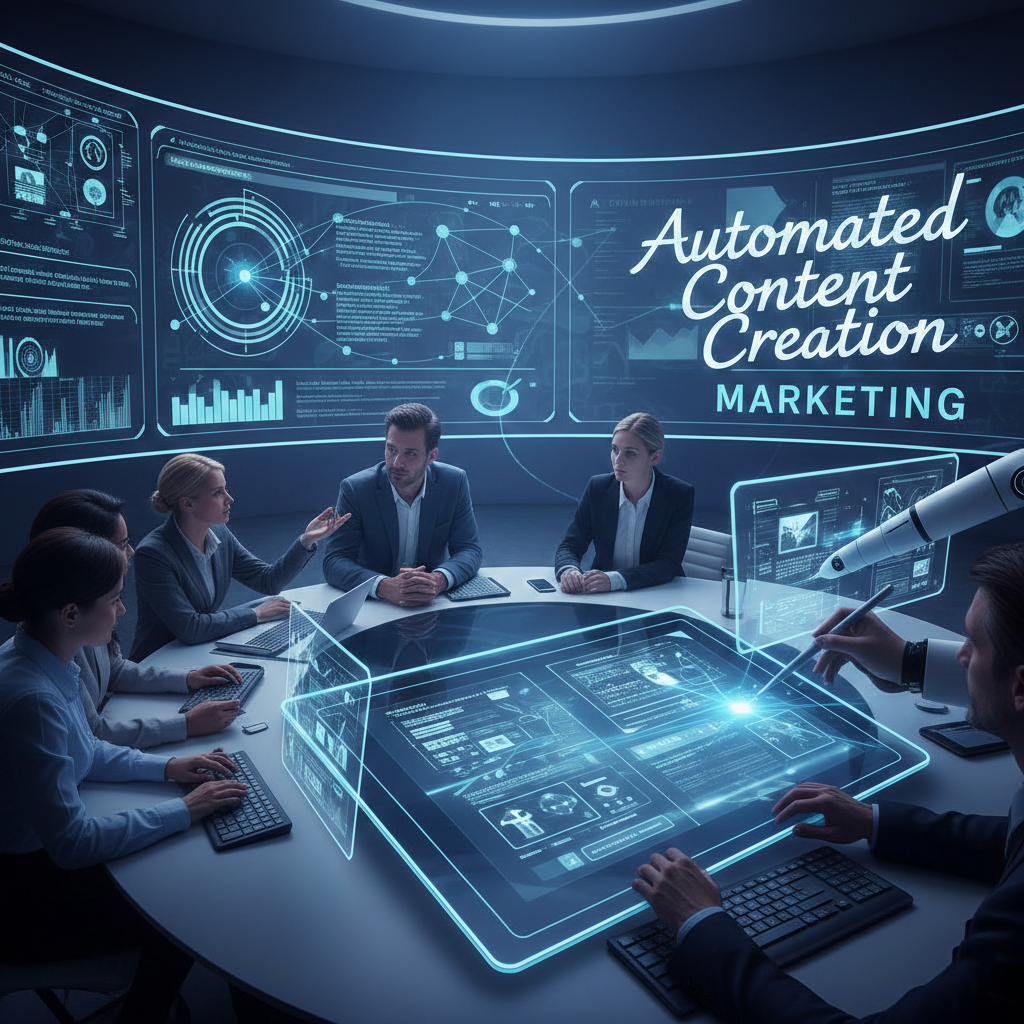
Generative AI can streamline the complicated and repetitive tasks by automating the work on document creation, data processing, reporting, and internal communications. This minimizes human error, time wastage, and enables human teams to engage in work of greater value rather than manual tasks.
Generative AI allows extremely personalized experiences by analyzing customer behavior, preferences, and interactions in real-time. Widely accessible AI-driven chatbots, personal recommendations, and a quicker response time can enable companies to offer reliable, topical, and entertaining customer experiences at every contact point.
Custom AI development is capable of handling large amounts of structured and unstructured data in a few seconds. It detects trends, patterns, and insights that the human eye cannot identify so that organizations can make more accurate and confident data-driven decisions.
Generative AI allows companies to quickly come up with ideas, prototypes, content, and solutions. It enables quicker experimentation, smaller development cycles, and will produce inventive problem handling, enabling enterprises to change and evolve swiftly in the competitive markets.
AI consulting services highly reduce costs of operations by automating routine tasks and optimizing the use of resources. Business firms can do more with less to provide quality and efficiency.
A custom ai development company offers predictive analysis and scenario planning and allows leaders to assess risks, predict future results, and create better strategic choices based on current information.
Generative AI systems can easily grow as the business needs grow. In managing larger volumes of customers or in venturing into new markets, AI is flexible without any performance loss.
By being the first ones to react to changes in the market, release innovative solutions, and provide customers with high-quality experiences, organizations that use Generative AI have an apparent advantage over others.
Generative AI is not a replacement for employees; it is a partner in productivity. It helps the teams in research, drafting, analysis, and problem-solving, and enables employees to work more wisely and more creatively.
Generative AI models keep learning more and more with new data and interactions. This enables systems to evolve, thereby leading to better outcomes, increased accuracy, and changing intelligence that will be in line with business objectives.
Generative AI and LLM models are used to automate repetitive and time-consuming activities, including content creation, data analysis, customer support responses, and reporting. This minimizes the need to employ big manual teams, minimizes human errors, and saves a lot on the day-to-day operation costs in the long run.
AI-based systems are not tired, as they produce consistent and accurate results all the time. It will enable the employees to concentrate on more strategic and productive work, and AI will support the processes of routine work, thus leading to quicker performance, increased accuracy, and overall better productivity among departments.
Generative AI can help businesses cope with the increasing workloads, interactions with customers, and volumes of data without employing new personnel. The AI models are able to expand to demand at a single command; hence, expansion is less expensive and operationally easier.
LLM models are used to process large volumes of data in real-time, detect patterns, and create actionable insights. This enables leaders to make decisions on a sound basis in a short period of time, minimize conjecture, and proactively react to the market.
These organizations have an advantage over their competitors, as they can provide smarter products, faster services, and more personalized experiences using generative AI. The difference contributes to the competitive markets to help companies stand out and become the leaders of innovation.
Generative AI can be used to hasten research, prototyping, and product development through the creation of ideas, simulations, and code more quickly than the conventional way. Businesses are able to experiment, shorten time-to-market, and innovate constantly.
AI-based chatbots, virtual assistants, and recommendation systems offer real-time and personal interactions via channels. This results in an increase in customer satisfaction, relations, and retention.
Generative AI will minimize delays in decision-making with real-time insights and automated analysis. Teams will be able to respond instantly to trends, risks, and opportunities, thereby enhancing agility and responsiveness.
In addition to short-term savings, AI models never stop learning and optimizing processes, which results in long-term cost reduction in operations, maintenance, and allocation of resources.
Find answers to common questions about our services, process, and how we deliver unparalleled digital solutions.